Would you like to switch to the accessible version of this site?

Go to accessible site Close modal window

Don't need the accessible version of this site?

Hide the accessibility button Close modal window
Accessibility View Close toolbar
Menu
  • Home
  • About Us
    • Meet the Dentist
    • Meet the Staff
    • FAQs
    • Office Tour
  • Our Services
    • Dental Examinations
    • Dental Implants
    • Restorative Dentistry
    • Teeth Whitening
  • Smile Gallery
    • Before & After Library
    • Testimonials
  • Insurance
  • Contact Us
  • Appointment Request
    • New Patient Forms
  • Patient Education
    • Dental Education Library
      • Oral Health Topics
      • Tooth Care
      • Dental Problems
      • Treatment
        • Cosmetic Dentistry
      • Pain Management
      • Patient Information
      • Product Reviews
      • Glossary
      • Links
  • General Dentistry
    • Bad Breathe
    • Braces
    • Brushing & Flossing
    • Cleaning & Polishing
    • Deep Scaling/Root Planing
    • Dental Examinations
    • Emergency Dental
      • What to do?
    • Family Dentistry
    • Gingivitis
    • Gum Disease
    • Prevention & Care
    • Teeth Sensitivity
    • Tooth Decay Prevention
    • Root Canals
    • Sealants
    • X-Rays
  • Pediatric Dentistry
    • Infants & Toddlers
      • Baby Teeth
      • Thumb Sucking
      • Baby Bottle Cavities
      • Teaching Children to Brush
    • Children & Teens
      • Getting Your Kids to Brush
      • Pulling Out a Loose Tooth
      • Favorite Foods & Cavities
      • Dental Anxiety
    • Emergency Dental
    • Dental4kids
      • Printable Games & Puzzles
      • Printable Coloring Pages
  • Cosmetic Dentistry
    • Dental Bonding
    • Dental Crowns
    • Dentures
    • Gum Recontouring
    • Invisalign
    • Porcelain Veneers
    • Smile Makeover
    • Tooth Whitening
    • Tooth Colored Fillings
  • Sedation Dentistry
    • Why Sedation Dentistry
    • Sedation Dentistry FAQs
    • Sedation Dentistry Types
  • Implant Dentistry
    • Dental Implants
    • FAQs on Dental Implants
    • Types of Implants
    • Why Choose Implants
  • Dental Problems
    • Dental Technology
    • Abscessed Tooth
    • Cavities
    • Dental Plaque
    • Dry Mouth
    • Fluorosis
    • Impacted Wisdom Teeth
    • Extractions/Wisdom Teeth
    • Maxillofacial Surgery
    • Oral Cancer
    • Toothache
    • Teeth Grinding
    • TMJ
  • Newsletter Library
  • Welcome Back Letter
Round Tooth Logo

(416) 694-8144

Our Locations
  • Home >
  • Articles >
  • Tooth Care >
  • Fluoride Facts

Fluoride Facts

  • Created in Tooth Care

For decades, fluoride has been held in high regard by the dental community as an important mineral that is absorbed into and strengthens tooth enamel, thereby helping to prevent decay of tooth structures.

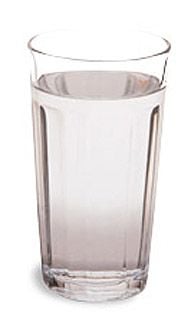
In nearly every U.S. community, public drinking supplies are supplemented with sodium fluoride because the practice is acknowledged as safe and effective in fighting cavities.

Some private wells may contain naturally fluoridated water.

What Is Fluoride?

Fluoride is a compound of the element fluorine, which can found throughout nature in water, soil, air and food.  By adding fluoride into our drinking water, it can be absorbed easily into tooth enamel, especially in children’s growing teeth, which helps to reduce tooth decay.

Why Is Fluoride Important To Teeth?

Fluoride is absorbed into structures, such as bones and teeth, making them stronger and more resistant to fractures and decay. A process in your body called "remineralization" uses fluoride to repair damage caused by decay.

How Do I Get Fluoride?

Just drinking public water will provide a certain measure of fluoride protection. But for years, health professionals have endorsed the practice of supplementing our intake with certain dietary products, and topical fluorides in many toothpastes and some kinds of rinses. Certain beverages such as tea and soda may also contain fluoride. Certain kinds of dental varnishes and gels may also be applied directly to teeth to boost fluoride intake.

Fluoride Safety

It is generally NOT safe to swallow toothpastes, rinses, or other products containing topical fluoride. In rare cases, some people may be overexposed to high concentrations of fluoride, resulting in a relatively harmless condition called fluorosis, which leaves dark enamel stains on teeth.

  • Dental Education Library
    • Oral Health Topics
    • Tooth Care
    • Dental Problems
    • Treatment
      • Cosmetic Dentistry
    • Pain Management
    • Patient Information
    • Product Reviews
    • Glossary
    • Links

Contact Us

Send Us an Email

Error!

    Our Location

    Find us on the map

    Hours of Operation

    Our Regular Schedule

    Dentistry in the Beach

    Monday:

    10:00 am-7:00 pm

    Tuesday:

    8:00 am-5:00 pm

    Wednesday:

    8:00 am-5:00 pm

    Thursday:

    8:00 am-5:00 pm

    Friday:

    Administration Day

    Saturday:

    Closed

    Sunday:

    Closed

    • Copyright © 2026 MH Sub I, LLC dba Officite.
    • Admin Log In
    • Site Map